The Day My BMW Introduced Me to the Future We Should All Be Worried About
My new BMW X5 turned into a live demo of everything I warn CIOs about: forced upgrades, software lock-in, and losing control of the tech we “own.” When a safety feature nearly caused an accident, it showed just how far the software tax has crept into our lives.
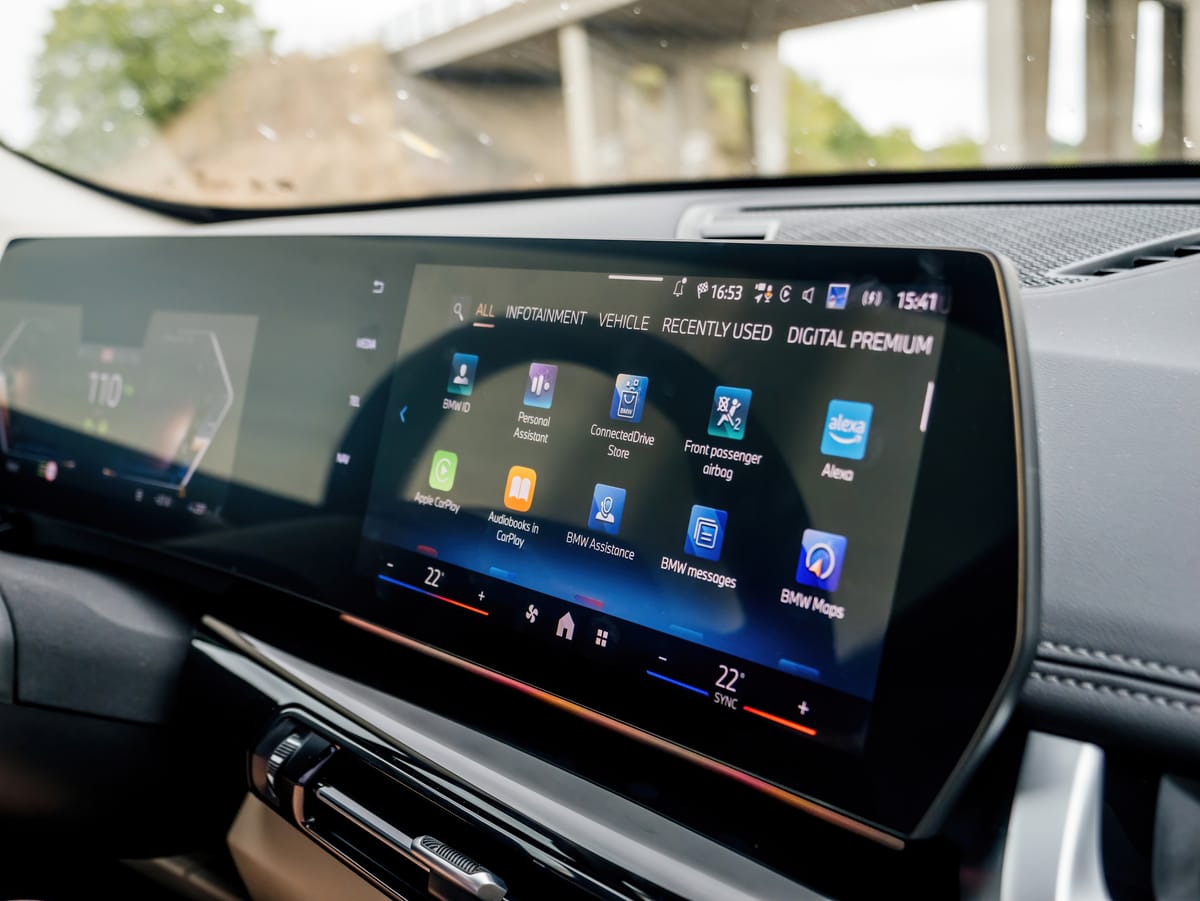
There’s a moment in life when the universe taps you on the shoulder and says, “Right lad, time for a bit of craic. Let’s see if you really believe your own keynote.”
For me, that moment arrived at 5am, in the pitch-black, on the way to Dublin Airport a few weeks back to catch a flight to Sweden for the annual Radar Summit, where I was due to deliver a keynote about forced upgrades, vendor dependency, and the creeping “software tax” quietly spreading through our lives.
The universe, with impeccable Irish timing, clearly decided it was time for a bit of divilment and present to me a live demonstration of everything I’d be warning people about on stage later that week.
And my instructor for this real-world masterclass? None other than my new BMW X5 50e hybrid. A rolling supercomputer masquerading as an SUV. A monument to modern “premium engineering.”
Or so I thought.
Part I: The Tyre Incident - Act One of the Algorithmic Comedy
So I suspect the entire saga started a few weeks earlier with a “check tyre pressure” message during yet another early morning airport run for a vacation to Portugal.
Fine. A bit annoying, but fine...
Except the pressure on the rear right tyre wasn’t just low - it was plummeting. This is the very difference between “I’ll sort that later when we're home” and “I’m about to be that guy stranded on the M50 at 6am and watch this holiday disappear".
I pulled in, checked it - sure enough flat as a pancake. And then, just for extra theatre, the car decides to hallucinate that I've been in a full frontal collision.
No impact.
No bump.
No Hollywood stunt.
Just a very confident piece of software insisting something catastrophic had happened and it was time to escalate. As if the car’s imaginary AI said, “Look, Rowan… I’ve reviewed the footage and you definitely crashed.”
Once I cleared those false-positive alerts, I crawled the remaining 15 minutes to the Long-Term Holiday Blue Car Park with the grace of a wounded elephant. Upon arriving the security guard was very keen to point out I’d actually booked the short-term car park - but kindly let me in anyway.
Crisis averted. Flight made. Holiday saved. Woohoo!
Then came the next challenge. How was I going to replace the tyre while abroad? Normally, this would be a logistical nightmare because the wheel lock-nut is hiding in the boot.
But credit where it’s due: one modern feature was genuinely brilliant - I could remotely share the exact car location and unlock it so the mobile tyre service company could get in. No hiding keys in a flower pot. No airport reception drama.
And that moment sums up modern tech perfectly: One feature felt like pure magic and another had nearly convinced me I’d been in a collision that didn’t exist.
And somehow, both live in the same machine.
Part II: The Blank Screen - Software Has Entered the Chat
Fast forward back to the Swedish airport run (yup, there's a pattern here!), a week after the tyre theatrics and lo-and-behold my beloved X5 decided to notch things up a level.
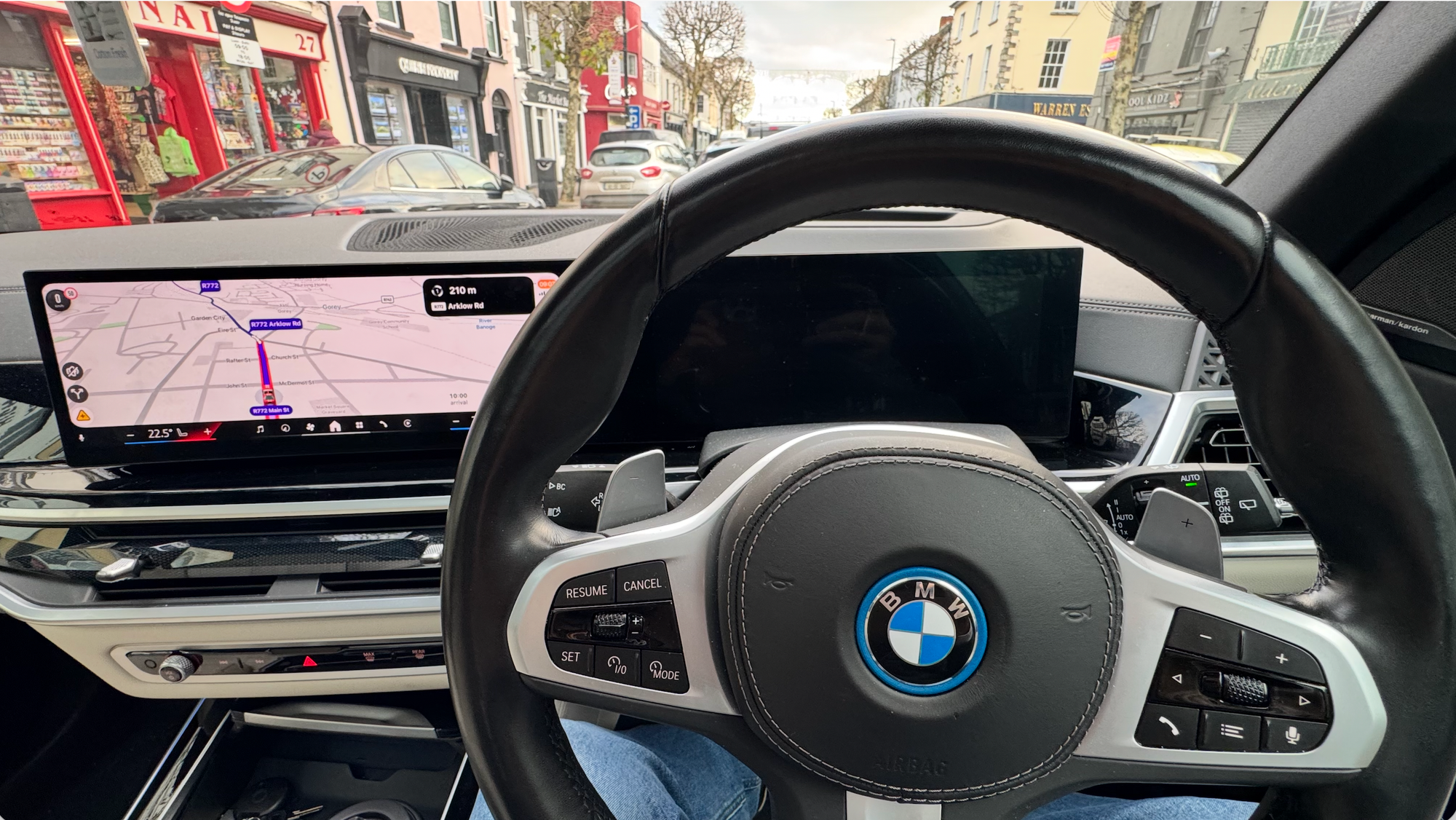
I pressed the start button. The car came to life.
The virtual cockpit… did not.
No dash.
No information.
Just the blackest black any OLED has ever shown.
Fantastic!
But I assumed, with the delusional optimism of a man who still believes software “just needs a minute to wake up", that it would come back after a few kilometres.
Ten minutes later, just as I was rolling through my local town, the car suddenly engaged its rear parking brake, making a noise that can only be described as “forks dragged down a blackboard inside a cathedral.”
I pulled in.
Took a breath.
Considered prayer.
Set off again.
It screeched again.
At this point I had two choices:
Limp home and take my wife’s car, or try the ancient IT ritual passed down through generations: Turn it off. Turn it on again.
I confidently chose option two. And, in a twist that will infuriate every engineer reading this, it worked!!
The brakes returned to normal.
The cockpit, however, continued its teenage sulking in complete darkness.
Still, with the confidence of a man who really shouldn’t be confident, I kept going.
Five minutes later, the screens flickered back to life, as if waking from a long nap.
Because yes: even in 2025, cars sometimes need a reboot!
Part III: The Vendor Experience - Also Known as "The Waiting Room"
When I returned from Sweden on the Friday afternoon, I called my local BMW dealership.
Lovely lady on the service reception.
Very warm, very apologetic.
Promised a technician would “dial in remotely” to diagnose the issues.
Dial in remotely.
To my car.
To fix my dashboard.
Now, that single sentence made me very very uncomfortable, after all, I built an entire business addressing the failings of this very support.
And then…
Nothing.
No callback.
No update.
No remote dial-in wizardry.
Just dependency.
Just that familiar feeling every CIO knows intimately:
“I’ve submitted a ticket… and now... I wait.”
Except this time, it wasn't a cloud platform misbehaving.
It was my brakes.
Part IV: Taking Back Control (or: The Triumph of Independent Solutions)
The next morning, after the silence from BMW, I did what most people cannot:
I took matters into my own hands.
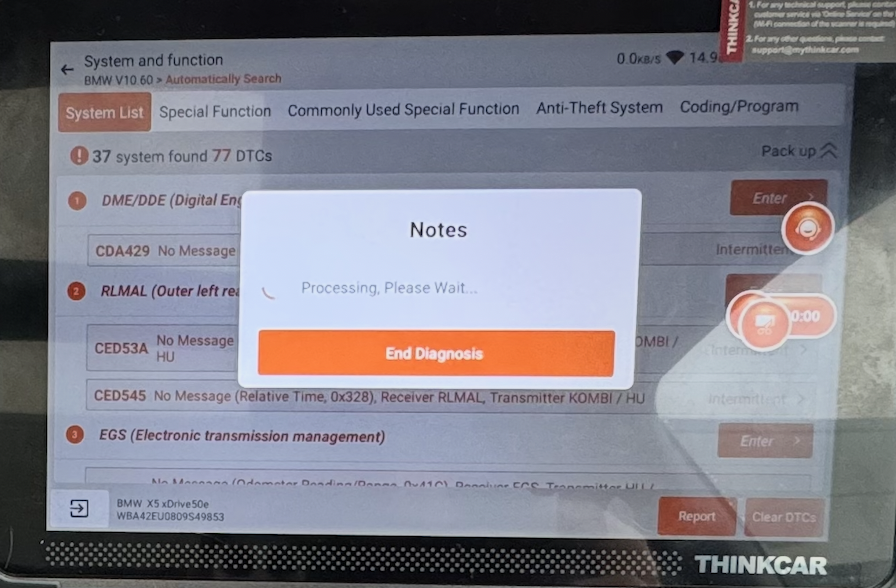
I pulled out my automotive diagnostic system, updated it with the latest BMW code library, forced the car into full engineering mode, and began working through the problem module by module.
After a short period of interrogation, the verdict was in:
77 software faults.
Now most people are shocked when they hear that number.
Eh..I’m not.
I'm a qualified software developer.
Software is flawed.
Software always has bugs.
Remember, software inherits every single limitation, imperfection and impatience of the humans who build it.
The irony? Well, that's not lost on me:
The very safety feature designed to protect me - the collision detection system - was the very thing nearly trying to kill me.
This just reeked of the CrowdStrike outage.
A safety patch that caused the world’s biggest outage.
A safety system creating a safety incident.
In tech, good intentions often come with side effects - we just accept it.
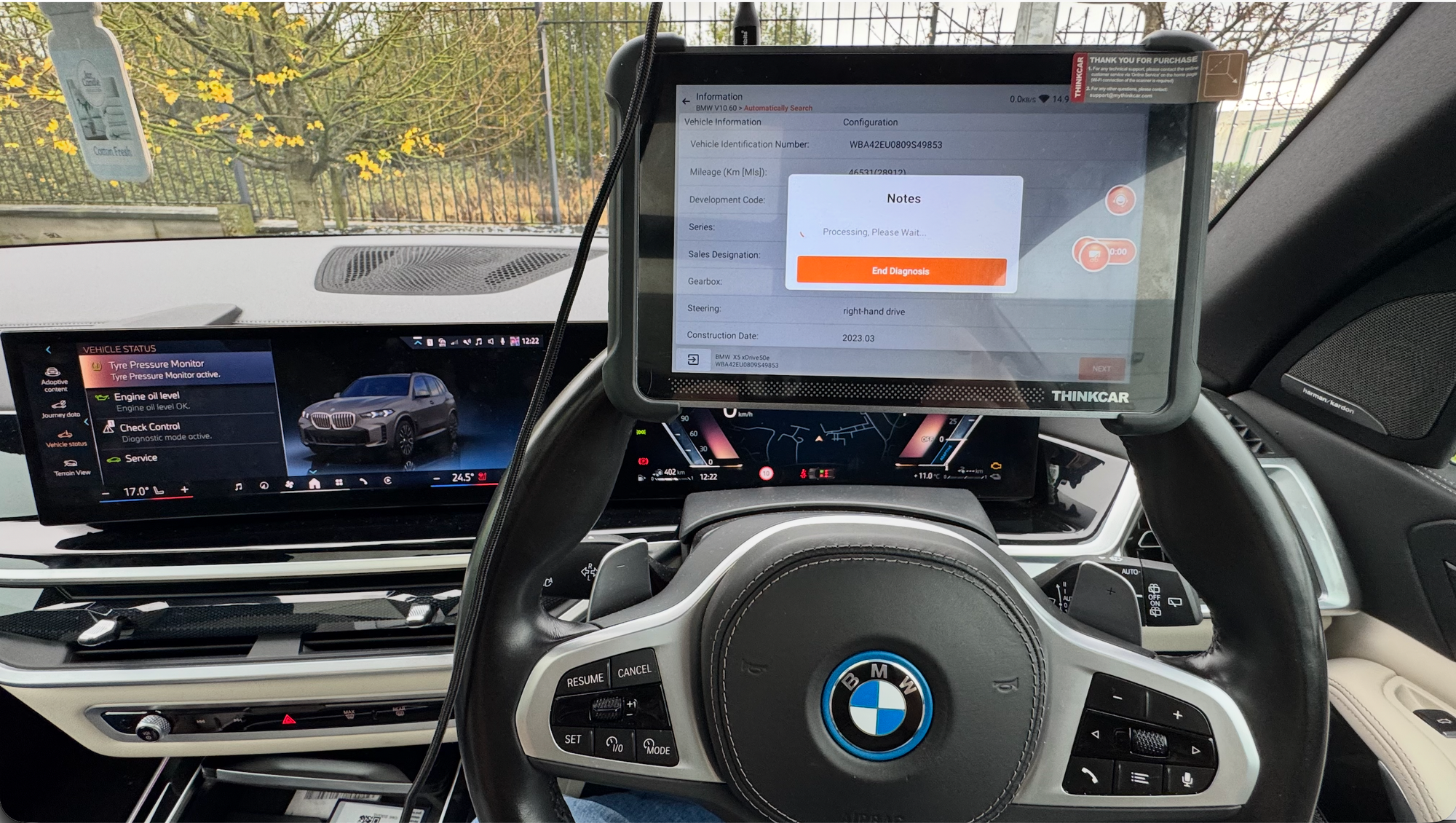
An hour later though, things were looking good... everything was repaired, reset, and seemingly stable!
The dash glowed back to life just like nothing had ever happened, and no more errors (for now!).
Part V: Cars Are Becoming Like Enterprise Software - And That’s Not a Compliment
There are three truths this whole episode made painfully obvious:
1. Independent repair isn’t just possible - it’s essential.
Just like Origina keeps enterprise systems running safely without modifying source code, I kept my BMW alive without touching a single line of proprietary software.
Folk are obsessed that you have to modify source code to fix anything.
Not true.
You need: the right tools, the right skills, the right perspective.
Dependence is a design choice and Independence is a mindset.
2. We are not in control of our own technology.
A normal BMW owner would’ve been powerless.
Back to the dealer.
Back into the vendor’s arms.
Back into the lock-in cycle.
Compare that for a second to my 1936 Packard.
The closest thing that car has to a "computer" is a fuse box.
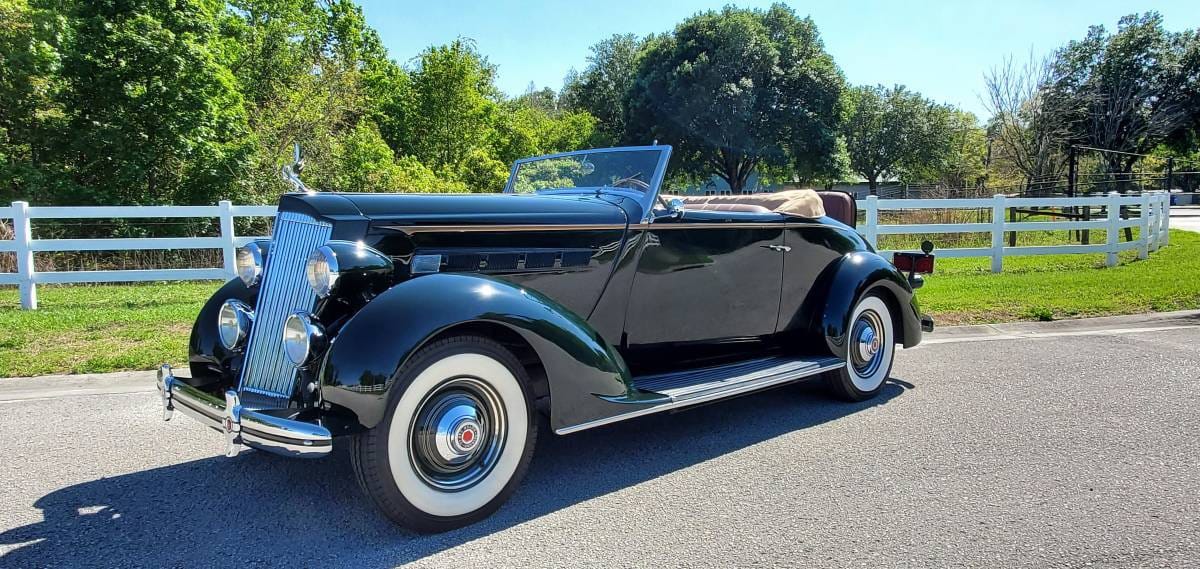
This car comes from an era where the manfacturer actually WANTED you to be empowered to maintain the car yourself.
Inside the glovebox is the original owner’s manual - a glorious, yellowed, oil-stained document that literally shows you all the procedures how to maintain the car yourself.
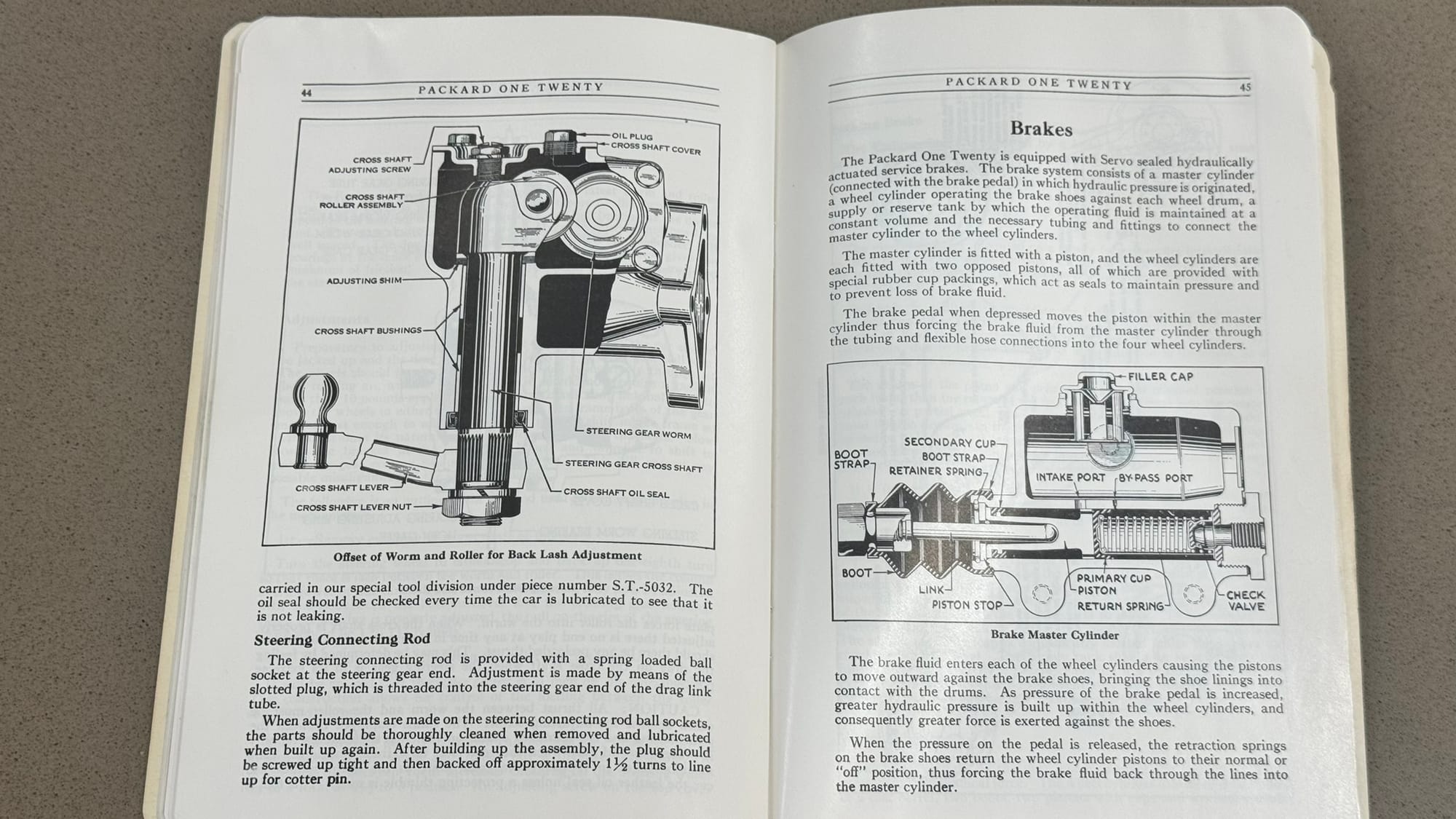
The most you'll get out of today's manuals is how to pair your phone.
3. The subscription creep is officially out of control.
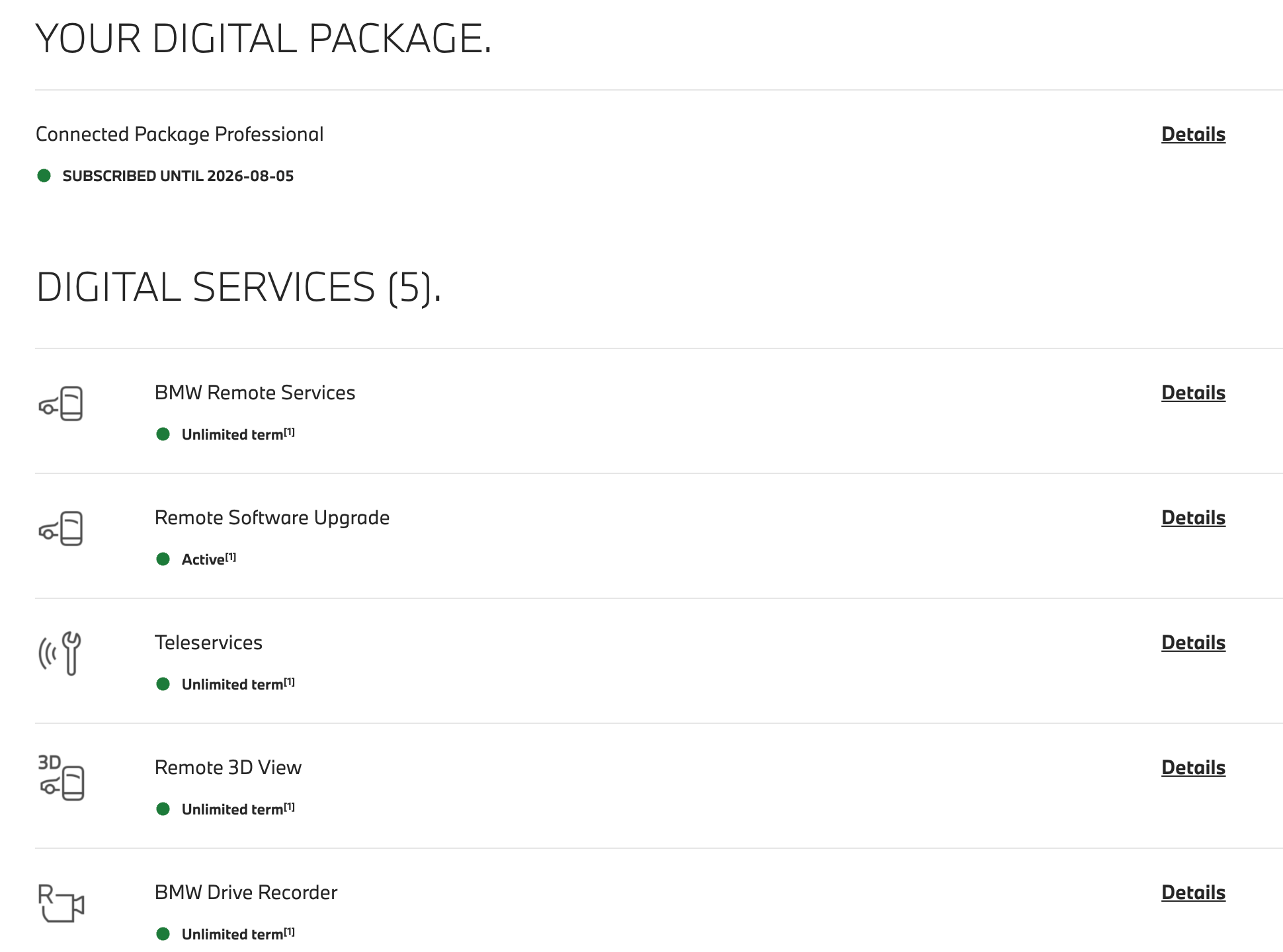
Even though my X5 is highly specced from the factory with some licensed options (until I get my own personal software renewal notice later in 2026 that is), I still have two features sitting behind a BMW paywall:
- a “lighting mode”
- an “entertainment pack”
Both already installed.
Both fully functional.
Both disabled until I buy an activation key.
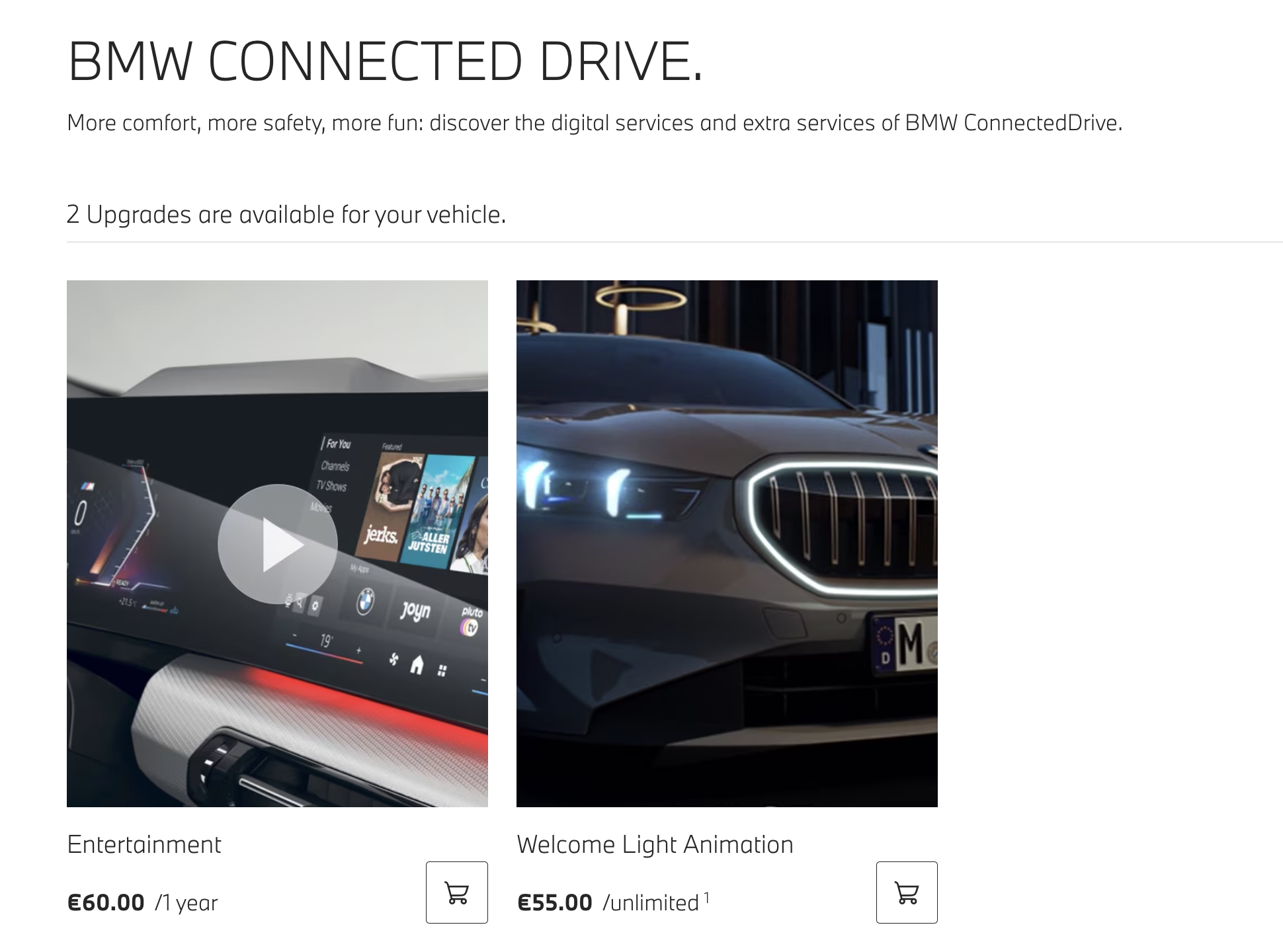
You see, the car industry has copped onto the IT industry’s greatest invention - monetising what you already bought.
- heated seats as a subscription
- Cruise Control
- additional horsepower as a software unlock
- ADAS features “as-a-service”
Now ask yourself this:
If I buy those licences, can I transfer them to my next car?
Or to another manufacturer?
Or even to the same manufacturer’s next model?
Eh. Probably not.
Just like enterprise software.
And then there’s the long-term horror:
What happens when BMW stops supporting this X5 model I bought?
Will I (or the next owner) still be able to activate the features I paid for?
Or will they simply… disappear?
Cars never used to have a support lifecycle.
Now they do.
Part VI: The Industry Pressure - Forced Modernisation by Policy
Insurance companies now insist older cars are “dangerous” because they lack modern features.
Tax structures reward EVs.
Carbon taxes punish older engines.
Policies push people into modern, software-dependent machines.
Insurers increasingly refuse to cover cars older than 15 years.
Meanwhile, my 1936 Packard, 89 years old, is:
- safer
- more reliable
- cheaper to maintain
- easier to repair
- and infinitely more predictable
than a brand-new X5 with a mood.
When did we decide newer meant safer?
Or that more software automatically meant more protection?
One of them could have killed me if I was travelling at higher speed.
One of them never has.
Part VII: The Point We’re All Missing
This isn’t a rant about BMW. It’s not even about cars.
This is about a creeping shift happening everywhere - quietly, invisibly, and with enormous consequence:
We are being transitioned from owners to subscription holders.
From drivers to dependents.
From customers to captives.
Digital dependency used to be an IT problem.
Now it’s become a household problem.
Very soon, it will be a societal problem.
Software tax.
Licensing lock-in.
Forced upgrades.
Remote support dependency.
Feature gating.
Lifecycle deadlines.
Subscription safety.
It’s the same game, just with different packaging.
The question isn’t:
“Is this where the automotive industry is going?”
The question is:
Are we okay with it?
Because whether it’s a expensive SUV or a €10m enterprise system, the truth remains:
The moment we outsource control is the moment we surrender sovereignty.
And sovereignty isn’t a corporate concept anymore.
It’s the new civil right.