The Sequencing Shock: Who Controls Your Change Agenda?
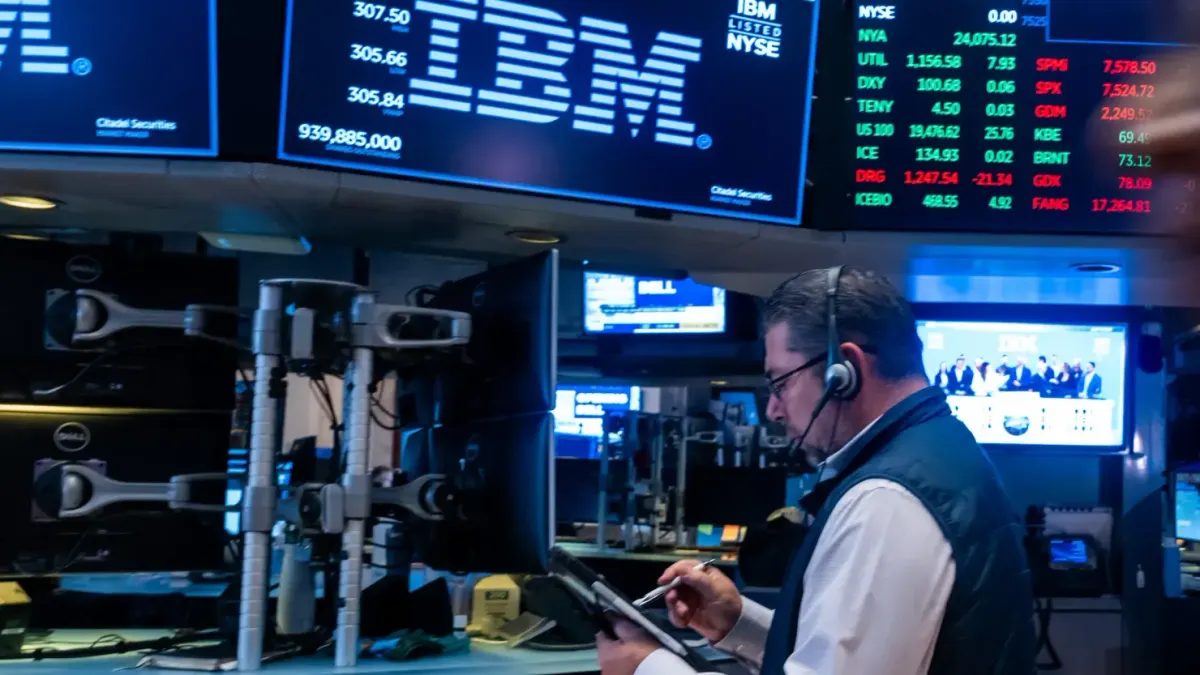
IBM’s earnings warning this week prompted an immediate reaction. Infrastructure was down 7%, several large transactions had failed to close, and management pointed to a combination of cybersecurity distractions and late-quarter customer shifts toward supply-constrained servers, storage and memory.
Within hours of that announcement, an industry narrative was shaping... AI infrastructure is eating the enterprise software budget.
It’s an appealingly simple explanation, however I’m not convinced it’s the right one.
I’ve lived through enough of these "once-in-a-generation" technology revolutions to know they seem to arrive every five years. And let's remember, the total technology market isn't shrinking, Gartner still expects worldwide software spending to grow 14.7% in 2026.
Whats changed isn't the size of the IT budget, it's the sequence in which people are allowed to spend it.
The Runway and the Radar
The market has accepted the assumption that funding a new AI initiative requires immediately cancelling an equivalent software contract.
But when I look at how enterprise leaders are actually managing this pressure, the scarce resource isn't just money. It’s decision capacity.
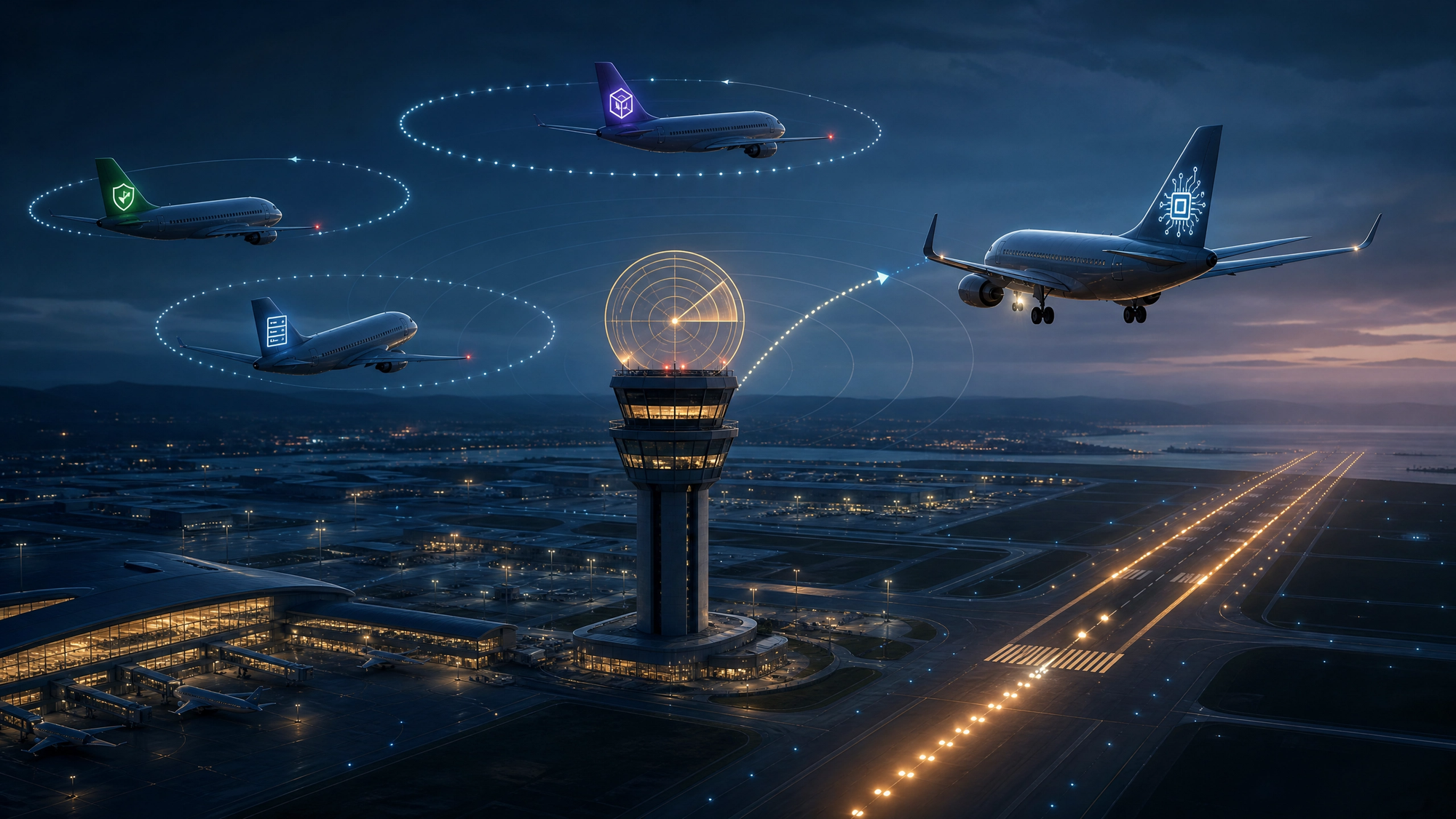
The enterprise IT portfolio is less like a pie and more like an actual airport runway. Several major investments may be fully funded in the approved plan, be that an AI pilot, a cyber remediation programme, a major software renewal, an infrastructure refresh. The problem is that only so many can receive landing clearance at once.
So when a board demands visible progress on AI by the end of the year, and a cybersecurity event (cue Anthropic) requires urgent attention this month, executive focus is consumed and so too the tension. At the same time, the anticipation of rising infrastructure costs forces procurement teams to bring hardware purchases forward.
Enterprise IT has an extraordinary ability to discover new priorities without the inconvenience of discovering new budgets.
When those new priorities collide, a major software renewal may slip from June to September. To a vendor, like IBM, whose commercial model relies on large, late-quarter transactions, that signal appears to look like demand destruction. To a CIO, it’s simply just sequencing. The budget hasn't disappeared... its just finite, and it has been reorganised to protect what matters today for the business.
And that point made me stop and wonder.. what are we quietly breaking to make that reorganisation possible?
The Hidden Cost of Manufacturing Capacity
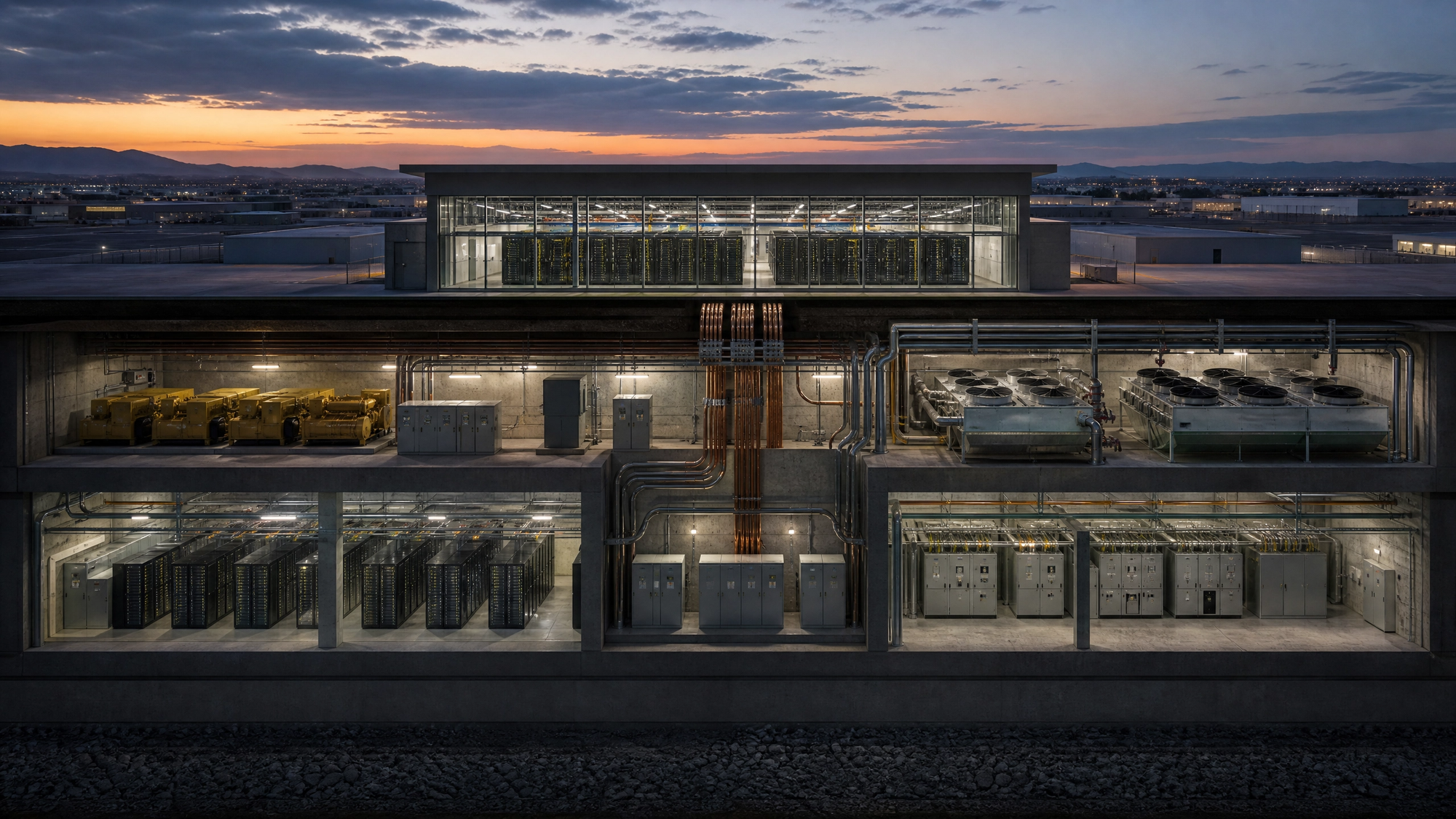
To manufacture capacity for AI, organisations are altering their operational posture. They are renegotiating contracts, consolidating tools, and maybe most concerning, delaying infrastructure refreshes and reducing resilience testing.
I see this tension repeatedly in conversations with CIOs and senior tech leaders. They are being asked to accelerate transformation, reduce cost, and guarantee zero disruption, all simultaneously... with that same finite budget! When the pressure rises, the easiest place to find capacity is in the operational buffer. We borrow from the stability of the installed base to fund the innovation of the future.
This exposes a fundamental question of control. Some vendor-led change is essential. As I always state, the mistake is not following a roadmap... it is allowing somebody else’s roadmap to become your strategy without a fresh decision.
For decades, technology vendors have conditioned the market to believe that remaining on a stable, older release is a risk. But stability is not resistance to change. Stability is an enterprise asset that should be held high. It is a strategic reserve. It gives the organisation somewhere safe from which to take risks elsewhere.
When an enterprise is forced to constantly upgrade mission-critical systems merely to maintain vendor support, it consumes the very resources (time, money, and engineering talent) needed to explore AI and execute those initiatives. Every upgrade or recurring charge that fails to create measurable value reduces that capacity to innovate.
The Enduring Principle
Much of enterprise lock-in survives not because the contract is inescapable, but because the organisation has stopped making the decision. Automatic renewal, inherited architecture and habitual support models can persist long after the original business case has disappeared. And being honest, I know that's not solely vendor power, it is also governance inertia.
The more I think about it, the less I believe this is really a technology problem. It’s a governance problem, isnt it? Every enterprise still has to decide who gets to determine the change agenda. The board? The vendor? The latest cyber scare? The AI hype cycle? Or the business itself?
After all, fear evolves. Yesterday, it may have been the fear of becoming unsupported or falling out of compliance. Today, it is the fear of missing the AI wave or suffering a catastrophic cyber breach. Tomorrow, it will be something else. I guarantee you. But strategy should never ever be driven by whichever fear is loudest.
What I'm really trying to land is that the moment an organisation loses the confidence to say ‘not yet’, it has already surrendered more control than it realises.
Perhaps IBM’s warning wasn't a signal that software has lost and infrastructure has won. Perhaps it was a signal that customer capital is becoming less obedient to vendor timing. The leaders with the most room to manoeuvre are the ones who can keep a system running without treating every vendor milestone as their own.
Which kinda raises a far more interesting question for anyone managing an enterprise portfolio today.
If your future innovation must be funded from your existing estate, which of your vendor commitments are protected by genuine business value, and which survive only because you haven't yet exercised your right to choose?
Because the organisations that will lead the next decade won’t be those that changed the fastest. They’ll be the ones that retained the freedom to decide what was worth changing in the first place.